The kalyan chart is a frequently searched term among people interested in number-based result records and historical charts available online. Many users look for these charts to review previous results, understand how numbers are displayed, and find information about different dates. With the growth of digital platforms, accessing historical records has become more convenient than ever.
Whether you are a beginner exploring this topic or someone familiar with online number charts, understanding how these resources work can help you navigate information more effectively. This guide explains the meaning of a Kalyan chart, its common features, how to review historical data, and important precautions to consider when browsing online.
What Is a Kalyan Chart?
A kalyan chart is generally an online record associated with Kalyan number-based gaming results. Depending on the website, it may display previous results, dates, and number combinations in a structured format.
The primary purpose of a chart is to organize historical information so that readers can review earlier entries without visiting multiple pages. Some websites provide daily records, while others maintain archives covering longer periods.
People searching for kalyan chart today may be interested in the latest published information, whereas other users may want to explore older records. Understanding the difference between current results and historical data is essential when navigating these websites.
Why Do People Search for Kalyan Chart Online?
Online charts attract attention because they provide an accessible way to review information. Search engines make it possible to find relevant pages quickly using a short keyword.
Some common reasons for searching for a kalyan chart include:
- Historical records: Readers want to review previously published results.
- Daily updates: Users look for the latest available information.
- Easy accessibility: Online charts can be viewed on smartphones, tablets, and computers.
- Organized information: Tables make dates and results easier to read.
- Reference purposes: Readers may want to understand how historical records are presented.
These features explain why many informational websites publish dedicated pages about Kalyan charts.
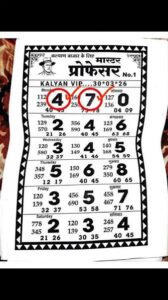
How to Read a Kalyan Chart
Reading a kalyan chart begins with understanding its layout. Most charts organize information into rows and columns, with dates and corresponding entries displayed in a structured manner. However, the exact format can differ between websites.
First, check the date associated with each entry. This helps you distinguish recent information from older records. Next, review the chart headings to understand what each column represents.
If you are comparing charts from different websites, make sure they cover the same dates and use consistent terminology. Differences in formatting can sometimes cause confusion.
It is also important to remember that historical results describe previous outcomes. They do not establish what will happen in the future, particularly in activities involving chance.
Understanding Old Kalyan Charts
An old kalyan chart usually refers to archived records from previous dates. These records can help readers examine how a website organizes historical results and locate information from a particular period.
When reviewing older charts, check whether the website provides clear dates and maintains consistent records. Some pages may contain incomplete information or entries copied from other sources, so verification is important.
Historical data can provide context, but it should not be treated as a guaranteed method for predicting future numbers. Patterns observed in previous results may occur by chance and may not continue.
Tips for Finding Reliable Kalyan Chart Information
Choosing a trustworthy source is an important part of browsing online charts. Keep the following suggestions in mind:
- Check the website: Prefer sources that clearly explain their information.
- Verify dates: Confirm that each entry belongs to the intended period.
- Compare records: Use reliable sources to investigate conflicting information.
- Avoid false promises: Be cautious of claims offering guaranteed numbers or certain profits.
- Protect your privacy: Do not share sensitive personal or banking information with unfamiliar websites.
These practices can help readers evaluate online information more carefully.
Important Safety Considerations
Some websites connect Kalyan charts with gambling-related activities. Depending on the activity and location, participation may carry legal and financial risks.
Always check the laws applicable to your location before participating in any activity. Remember that no historical chart can guarantee a future result, and financial losses are possible. Avoid borrowing money, chasing losses, or spending money needed for essential expenses.
Responsible online behavior means understanding the limits of historical information and making decisions without relying on unrealistic promises.
Conclusion
The kalyan chart is an online format used to organize historical number-based results and related information. Its structured layout can make previous records easier to review and understand.
For a better browsing experience, choose credible websites, verify dates, and treat historical information carefully. Remember that past results cannot guarantee future outcomes. By focusing on accuracy, privacy, and responsible online habits, readers can explore kalyan chart information more confidently and make better-informed decisions.